
This is a story that isn’t mine.
It’s about my mother-in-law when she was a little girl.
Eunice Leach, was born in 1929 and raised in the “country” in North Carolina during the Great Depression. Star, a small town in central North Carolina, was incorporated in 1897 and was barely more than a few narrow streets and some wood and brick buildings in the 1930’s. Only about 600 people lived in the Montgomery County town then, and fewer than 1000 live there in 2018– and Eunice’s family lived and worked a 20-acre farm outside of Star. They grew enough to sustain themselves, and had two working mules and grew tobacco for money.
Eunice was the youngest of four children and their farm consumed the labor and almost all of the time of the entire family. There was no electricity and on cool nights the warmth and golden glow of two fireplaces and oil lamps filled the tin-roofed, single-story farmhouse. In the summer, the high sun beat down on the farmhouse that was built with windows set across from each other that provided a bit of cross-ventilation. It didn’t get dark until after nine and the cooling of the evening was welcome as the family gathered in the home after everyone worked through a sweltering hot Southern day.
George was her oldest brother by almost ten years and she looked up to him physically and with respect. Because the farm was so remote, the children walked more than two miles on a dirt and gravel road from the farmhouse to catch the bus to a school. Eunice was the youngest and the smallest and sometimes, especially homeward bound after a long day, she would get so tired during the walk, she would start crying. George would stop, pick her up and carry her on his back the rest of their way.
On this summer evening, their childhood connection was cemented forever.
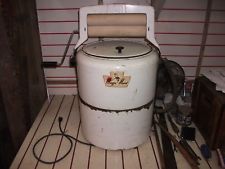
The whitewashed farmhouse was raised about a foot off of the ground by red brick footings and a covered front porch went across the width of the house. Underneath the house was dirt and there were some farm tools that needed to be kept out of the direct weather. Four, 5-foot wide steps led visitors onto the grey porch and straight to the centered wooden front door. From the front door, there was a living area and an eat-in kitchen and a back door that led to a covered back porch. Coming out of the screened-back door, a white and weathered battery-powered washing machine sat to the left.
 (1)
(1)
This was one of the original Maytag washers that had a battery-powered wringer to help squeeze out the water before hanging clothes out to dry on the line. As clothes were washing in the tub, you picked something out and hand fed the wet item into the “wringer’–two spinning rollers that grabbed the wet cloth, and squeezed the water out by “wringing” the crap out of the cloth as it went between the spinning rollers..
Appropriately, the first ‘wringers” were nicknamed, “manglers.”
Manglers!
 (2)
(2)
“…early machines were quite dangerous, especially if powered and not hand-driven. A user’s fingers, hand, arm, or hair could become entangled in the laundry being squeezed, resulting in horrific injuries; unwary bystanders, such as children, could also be caught and hurt.” (3)
It was summer and inside the house there was the homespun aroma of supper about to be served–fresh, sweet Vidalia onions along with some meat and potatoes. There was no school and the family took their time and chatted about what had been done on the farm during the day and what needed to be done tomorrow. Conversation and humor came easy for the family.
Outside, crickets, some frogs and cicadas offered their nightly accompaniment to the cotton-candy pink and blue sky as the large yellow-orange sun set below the unobstructed western treeline of their largest tobacco field.

Tonight, the only other sound was the rhythmic sloshing of the washing machine on the porch.
As usual, little Eunice finished first. She was only about five, and didn’t eat much and, this being summer, was in a hurry to be excused to go back outside. This scene was repeated every almost evening and tonight was no different,
“May I be excused?” asked Eunice.
Before the perfunctory reply, she was up and headed toward the the grey wooden, screened back door.
She had been told not to mess with the washing machine and that, of course, only piqued her curiosity. She had seen how her older siblings would pick out single pieces of laundry from the washing tub, and feed the wet clothes into the rollers. She liked how water would would be compressed and it seemed that the pressure of the rollers were making the machine weep.
Tonight, she couldn’t resist. She picked up a large grey towel out of the tube and fed one end of the dripping towel into the rollers. Immediately, the rollers grabbed it and began to wring the crap out of the towel. Horribly, her hand had gotten tangled within the end of the sopping wet towel with her hand being pulled toward the rollers and she was screaming like bloody murder.
Inside, the family heard her and George was the first react. He shoved away from the table and bolted out of the screened door, the tight spring loudly clapping the door back into place. He saw his sister and washing machine to his left and knew what was happening. What he didn’t see were the fresh Vidalia onion peels that were still scattered across the porch. As George came flying out of the screened door, he slipped on the peels and went flying off of the porch and landed flat on his back in the grass.
Eunice saw this and would have typically busted out laughing but instead started crying harder as her hand was now less than a foot from the spinning, squeezing rollers. The Manglers! George got up, and in one bound was up on the porch and kicked the battery cable out of the machine. It immediately stopped, with her hand four inches from the wringer rollers, still caught in the towel.
By now, all of the family had run out on the porch and most saw the whole thing as it happened.
To the family, George was a hero that night.
And, he was and is forever a hero to Eunice.
The End
- From Ebay photos
- From Lavadora
- Wikipedia https://en.wikipedia.org/wiki/Washing_machine
 A Father Looks Past Sixty